Two figures every seller should know
Bannister Chimney Services charges $410 for a Level 2 chimney inspection with a video scan of the flue, and $175 for a Level 1. For a Westminster house that is weeks away from a sign in the yard, the larger figure is almost always the one to spend, and this post explains why without padding the bill.
Why a sale calls for the camera
Most chimney inspectors in California work from NFPA 211, a fire safety standard that matches the depth of an inspection to what is happening in the house. A change of ownership is one of the situations it names for the deeper Level 2. The reasoning is plain enough. The family moving in has never used that flue. They cannot know how often it burned, whether anyone swept it, or how a few winters of damp wood treated the tile.
A camera answers those questions, and a seller gets the answers first. The recording travels from the smoke chamber to the top and shows every joint between the clay tiles. If one has opened, you hear about it from us, while there is still room in the calendar, rather than from a buyer's inspector halfway through escrow.
When the $175 visit makes sense
A Level 1 covers the parts you can get to and look at without a camera: the firebox, the damper, the roof top of the chimney and the attic where the stack passes through. It is a fair choice when the flue had a Level 2 not long ago, nothing about its use has changed since, and there is no new stain, smell or crack to explain.
Before a sale it rarely satisfies the buyer's side. Sellers who start with a Level 1 often end up paying for the camera later anyway, once the buyer's general inspector writes that the chimney needs a specialist. Starting with the Level 2 avoids paying twice.
What decides the final number
The inspection price is set per flue. Four things change what a seller spends overall:
- More than one flue. Each one is inspected and charged on its own, so a house with a fireplace upstairs and another downstairs pays the inspection price for each.
- Soot too thick to see through. If the camera cannot read the tiles, the flue needs a chimney sweep first, from $440.
- What the recording shows. Repairs are never folded into the inspection. Each one is written up as a separate quote you can accept, defer or hand to the buyer.
- Your own choices. Some sellers fix everything, some fix the safety items only, some disclose and move on. The report supports all three.
If you already know the listing date, book the pre-listing Level 2 here and mention how many fireplaces the house has and when photos are planned.
What you receive
You get one file. It opens with a short summary, then walks from the hearth up to the cap with a photo for each finding, where it is, and what it means for whoever lives there next. The flue recording comes with it as a video you can share. Findings are sorted into three plain groups: nothing to do, something to watch, and something to repair before the next fire.
We send it to the people you name at booking. For most sellers that means themselves and the listing agent. The buyer only sees it if you decide to share it, and the home sale report page lays out who can receive which copy.
What Westminster chimneys tend to show
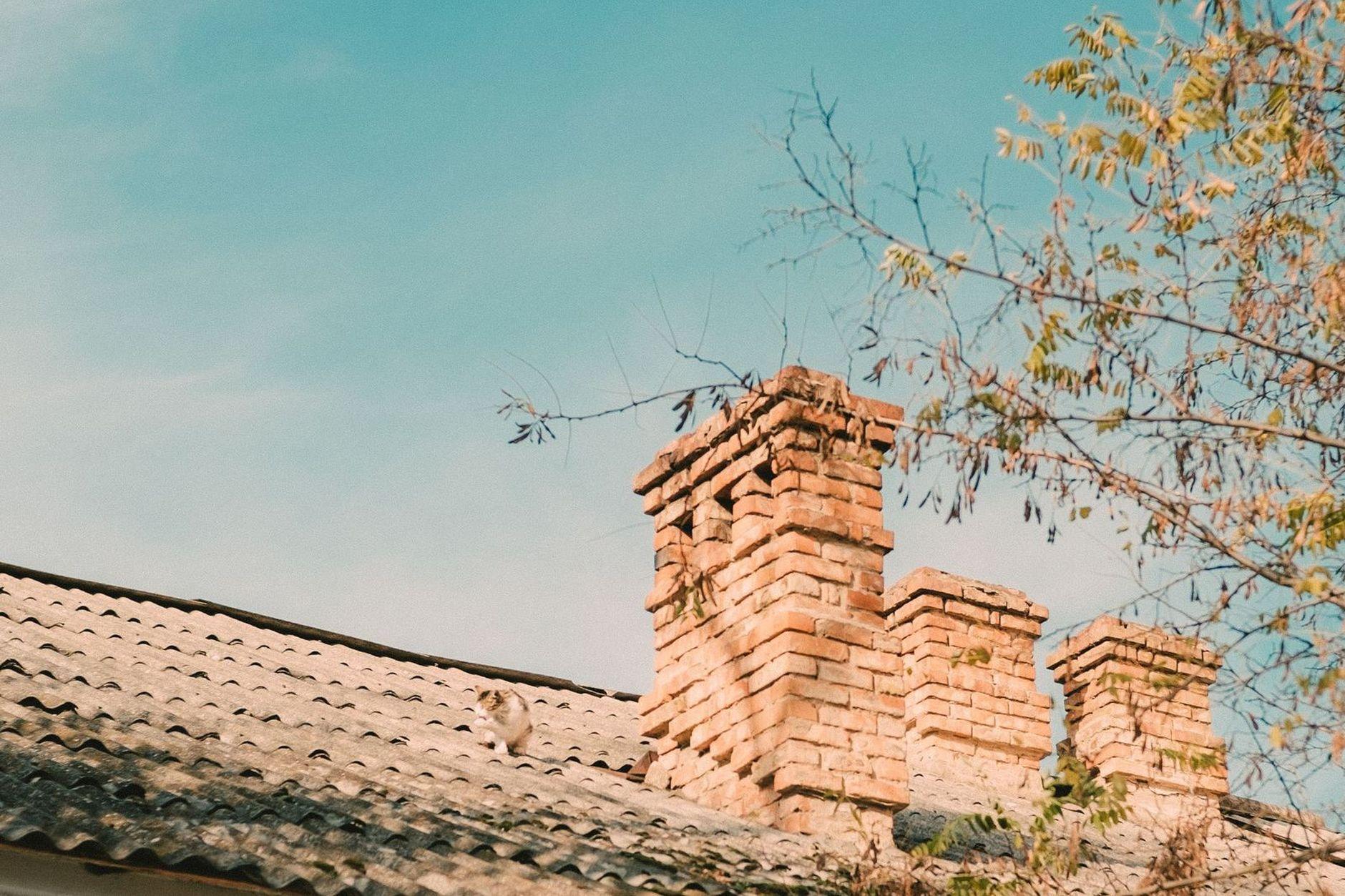
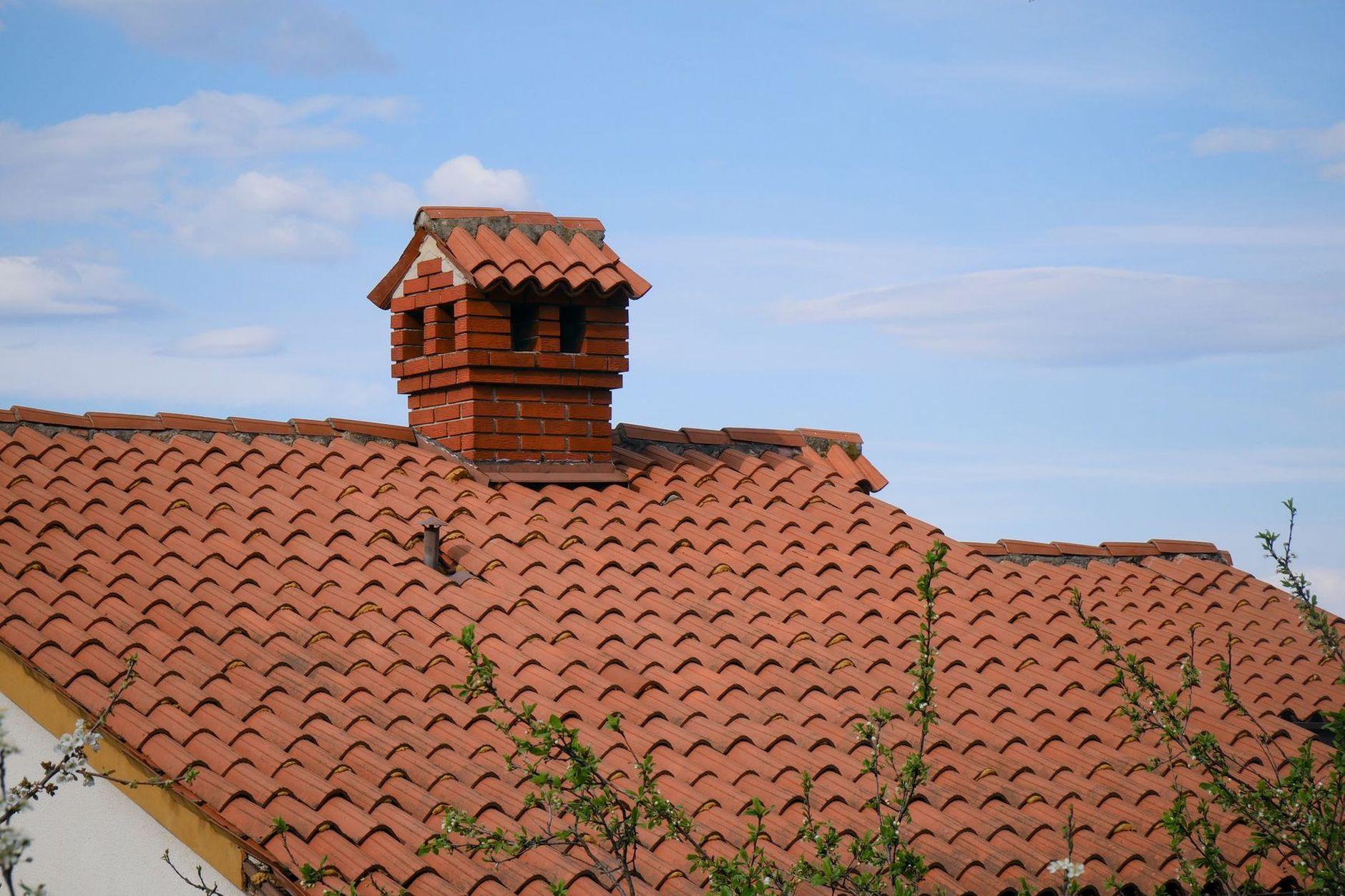
A lot of Westminster housing went up in the decades after the war, and many of those single-story homes carry one brick chimney on a gable end. Our usual findings on them are not dramatic. Mortar has worn thin near the top, where sun and marine air work on it hardest. The cement cap around the flue tile has hairline cracks. Flashing sealant has dried out and pulled away from the brick. Inside, older clay tiles sometimes show a hairline crack near the smoke chamber.
None of those has to derail a sale. Each has a known fix, and a buyer reading about it in your disclosure file with a written quote attached tends to treat it as an item, not a reason to renegotiate the whole price. The same pattern shows up in Fountain Valley and La Palma, where housing of a similar age sits on similar soil.
What to do this week, and what can wait
This week:
- Book the Level 2 before you book the stager or photographer.
- Decide who should receive the report and tell us when you book.
- Make sure the fireplace is cold and the attic hatch is reachable on the day.
Later, once the file is in hand:
- Ask for written quotes on anything flagged.
- Decide with your agent which items to repair, which to credit and which to disclose.
- If you repair, ask for a camera recheck so the file shows the items closed.
There is no need to decide on repairs before the inspection. Many sellers worry that booking means committing to work. It does not. The inspection is a fixed price and nothing beyond it happens without a written quote and your yes.
How this compares with waiting for the buyer
Some sellers prefer to say nothing and let the buyer order whatever inspection they like. That can work, but it hands the timing to the buyer. Their chimney report lands during the contingency period, often with a repair request attached, and the seller has a few days to answer it with no quotes of their own.
Ordering the Level 2 first changes that order. You know what the buyer will find, you have prices for it, and your agent can answer the request with paper instead of guesses. For a $410 line item, that is a lot of control over a sale that can easily run to six figures of equity. Our comparison of repairing, crediting and disclosing covers what to do with each finding once you have it.
Where to go next
Ready to put the chimney on your listing checklist? Head to our contact page with the address and the rough listing date, and we will set up the Level 2 and send the file to everyone you name.
Get Your Own Chimney on Paper
Bannister inspects the chimney before you list and sorts each finding into fix, disclose or leave. Visits start from Westminster and cover Fountain Valley, La Palma, Bellflower and nearby cities.