The curb sees the chimney first
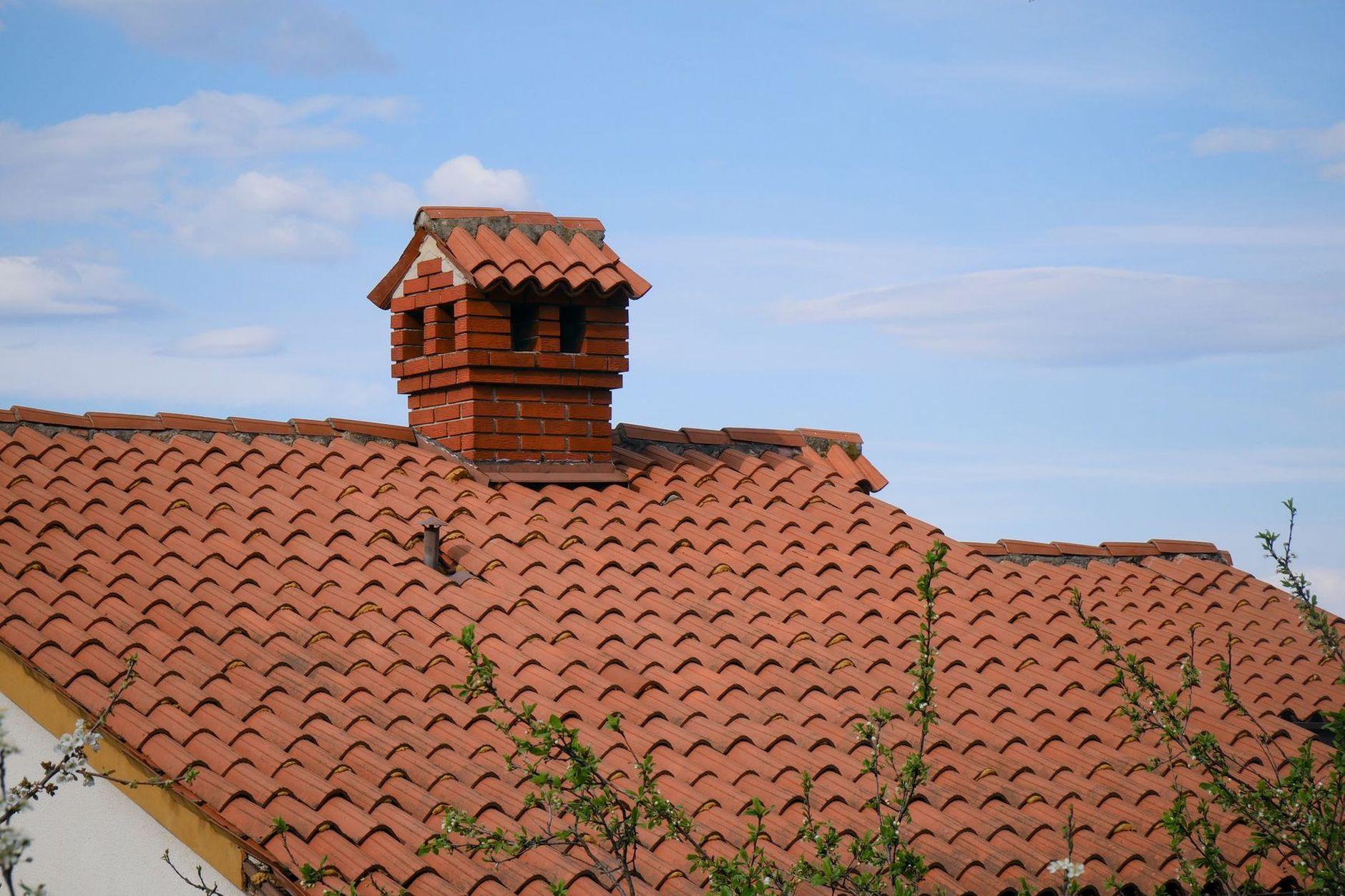
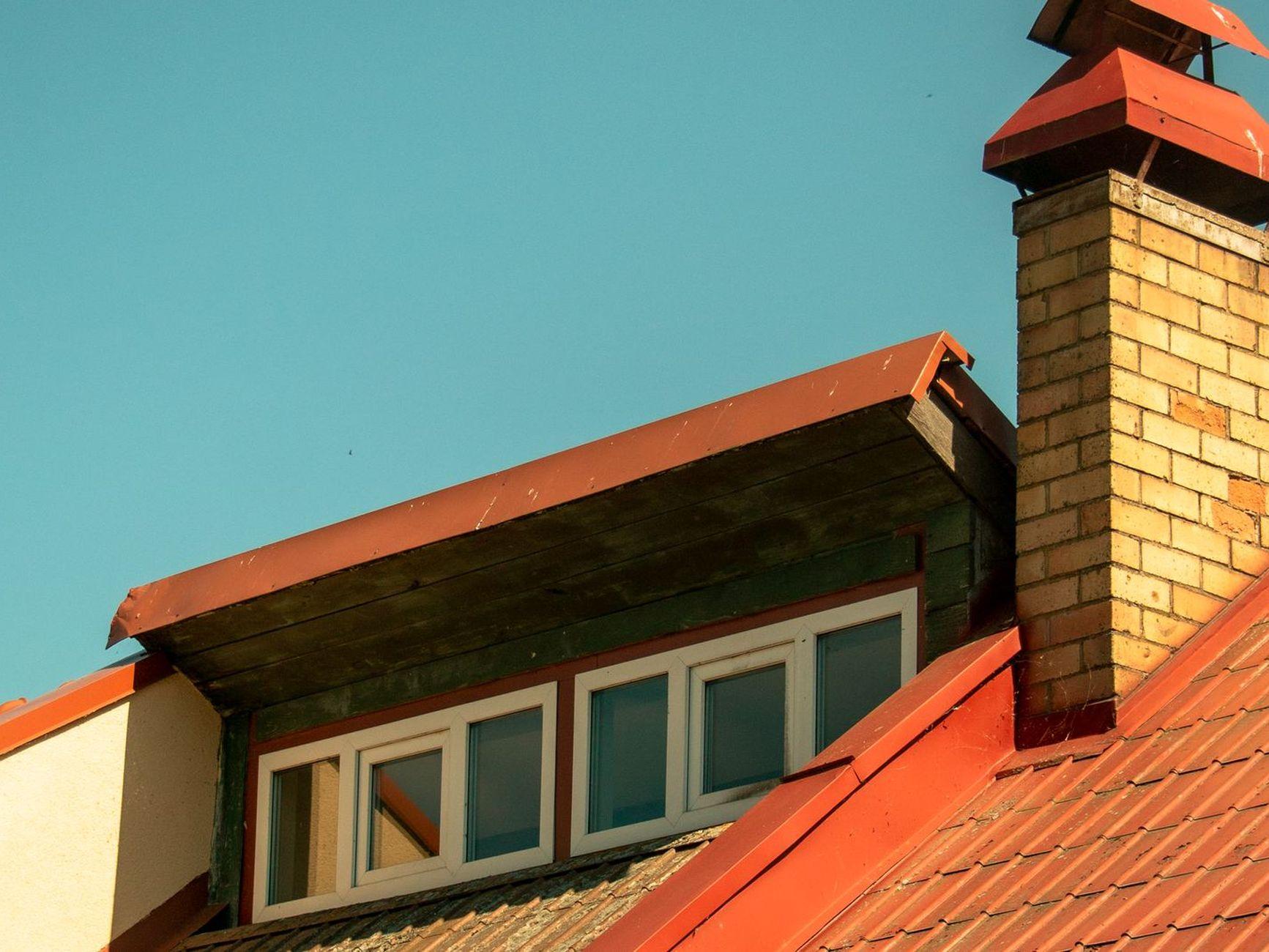
A buyer pulling up to a Westminster listing looks at the roofline before the front door. A chimney with dark open joints, flaking brick faces or a crooked top course tells them, before they step inside, that something has been left alone. That first impression travels into the offer.
Masonry repair before listing is about controlling that moment. It is also about the inspector who follows the buyer, because brick problems are easy to photograph and hard to argue with.
What buyers' inspectors usually spot
General home inspectors look at a chimney from the yard and sometimes from the roof. The masonry items they note most often are:
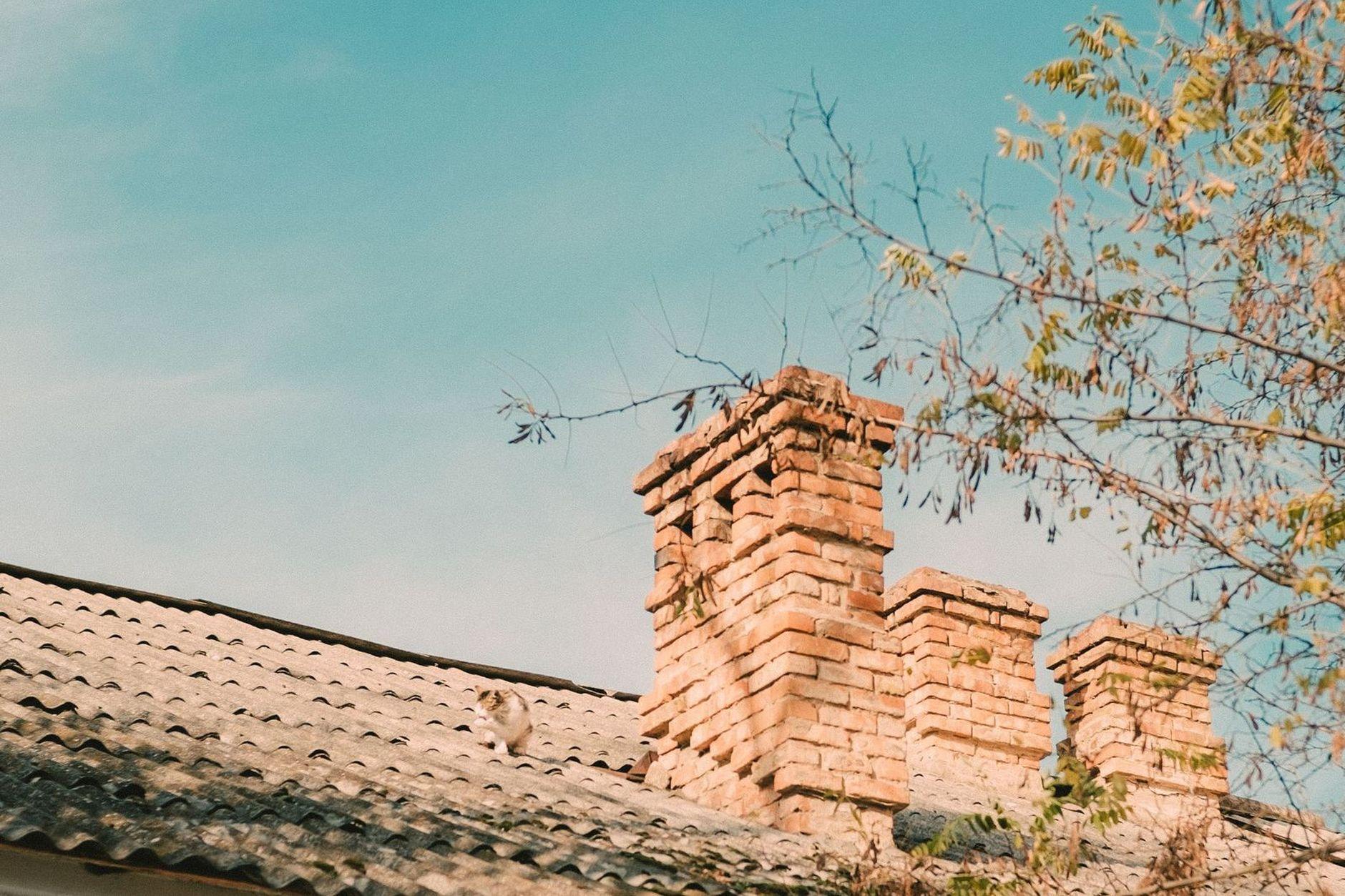
- Open or sandy mortar joints, especially in the top few courses.
- Brick faces that have flaked off, leaving rough, pale patches.
- White salt stains on the brick, a sign water is moving through it.
- A cement top that has cracked or pulled away from the flue tile.
- A visible gap where the chimney meets the house wall.
Each of those gets one line in their report and a recommendation for a chimney specialist. The buyer then has to decide whether to order that specialist inspection inside their contingency period. A seller who has already fixed or documented the brick spares everyone that step.
Why brick here wears the way it does
Westminster sits close enough to the coast for damp marine air to reach it most mornings, and summer sun then bakes the same bricks dry. Over decades that cycle works mortar loose, starting at the top where the chimney is most exposed. Winter rain then finds the open joints.
Southern California shaking adds to it. The 1994 quake and the Whittier Narrows quake of 1987 were felt across this part of Orange County, and older chimneys that rode them out sometimes carry hairline cracks that have since let water in. A chimney does not need to have fallen to have been weakened.
The repairs, from small to large
- Repointing. Worn joints are cut back and refilled with mortar matched to the age and hardness of the original brick. Most pre-listing masonry work is this.
- Replacing damaged brick. Individual bricks whose faces have flaked away are cut out and new ones set in.
- Crown work. A cracked cement top is sealed if the damage is light, or broken off and recast if it is not. Our crown repair page covers it.
- Rebuilding the top. When the upper courses have lost their bond, they come down and are relaid. See chimney rebuilds.
- Bracing. On a tall stack in a quake-prone area, steel bracing or straps may be offered as an option. Our seismic retrofit page explains the general approaches.
What sets the price of brick work
Masonry repair has no set price with us because no two chimneys need the same amount. The written quote follows a visit and depends on:
- How many courses need repointing or relaying.
- Whether the crown can be sealed or has to be recast.
- How tall the stack is and how hard the roof is to work on.
- Whether the flue tile at the top is sound or needs attention at the same time.
If you have a Level 2 report already, its photos often let us narrow the scope before we arrive. If you do not, the $410 Level 2 is usually the place to start, because masonry work on top of a cracked flue is money spent in the wrong order.
When you are ready for numbers, request a masonry quote here and tell us what you can see from the yard and what the report says, if you have one.
Timing it around the listing
Brick and mortar need dry days to cure. In Westminster that is most of the year, but winter storms can push a job back. Build the work into the early part of your prep:
- Inspect first, so you know what the masonry actually needs.
- Book repairs before the stager and photographer.
- Ask for before and after photos to place in the disclosure file.
- Schedule a camera recheck if any work touched the flue.
What can wait
Not all aging brick needs attention before a sale. Even color fading, slight weathering on the lower stack and old patch work that is sound can all be disclosed and left. Buyers of older houses expect some wear. What should not wait is anything loose, anything letting water into the house, and anything at the top where a buyer's inspector will photograph it.
Masonry and the fireplace face
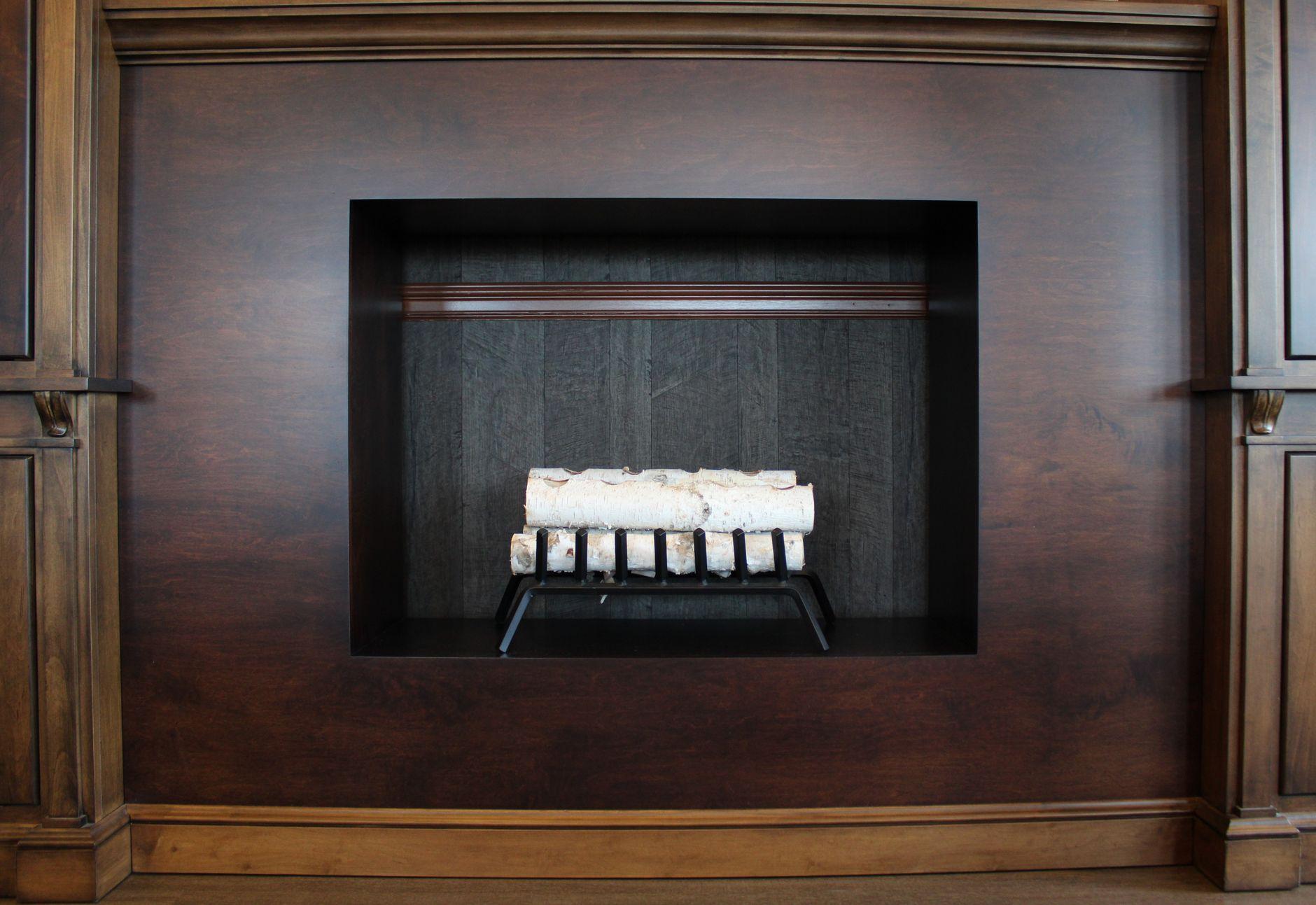
Sellers sometimes ask whether to repair the outside brick or redo the fireplace inside. They are separate jobs with separate purposes. Outside work keeps water out and the chimney standing. Inside work is about how the room looks in photos. If budget allows only one, fix the outside first; a handsome hearth does not help when the buyer's report says the stack is failing. Our fireplace remodel post covers the inside.
What the written quote spells out
A masonry quote from us lists the areas of the chimney involved, how far down the work goes, the mortar and brick to be used and how we protect the roof and the yard. It also says what we do if opening the brick shows more damage than expected: we stop, show the seller, and price any change before carrying on. That keeps a listing budget from drifting.
Your next step
If the brick on your chimney has been bothering you, or a report has flagged it, start at the contact page. Describe what you see and when you plan to list, and we will arrange a visit and a written quote.
Get Your Own Chimney on Paper
Bannister inspects the chimney before you list and sorts each finding into fix, disclose or leave. Visits start from Westminster and cover Fountain Valley, La Palma, Bellflower and nearby cities.