Three answers to one finding
A Level 2 report has come back on your Westminster house, and it lists a few items. Every one of them can go down one of three roads. You can repair it before or during the sale. You can offer the buyer money off, usually as a closing credit. Or you can write it into your disclosures and let the buyer weigh it. None of the three is always right. Which one fits depends on the item, the market and how much time you have.
Repairing before you list
Fixing an item removes it from the conversation. The buyer's inspector sees a cap where the report showed an open flue, or new flashing where the old sealant had failed, and has nothing to write.
Repairing suits items that are:
- Cheap compared with the worry they cause. A missing cap reads as neglect to a buyer even though the fix is small.
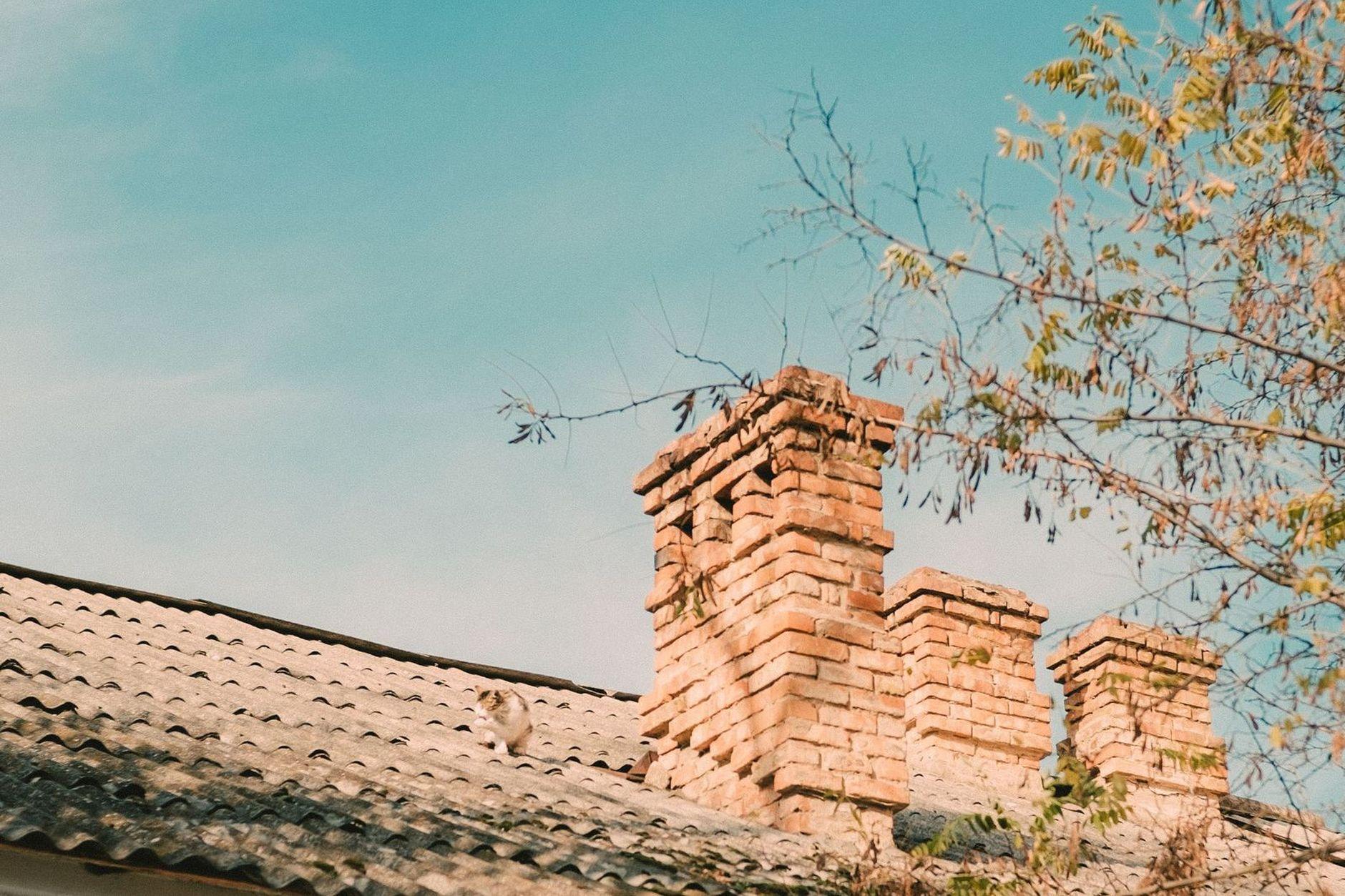
- Visible from the street or in listing photos. A crumbling top course of brick shows up in the roof shot.
- Safety related. A cracked flue tile or a gap at the smoke chamber makes a buyer nervous about lighting a fire at all.
The drawback is time and cash up front. Masonry needs dry weather and trades need scheduling. If the listing date is close, some repairs will not fit.
Offering a credit
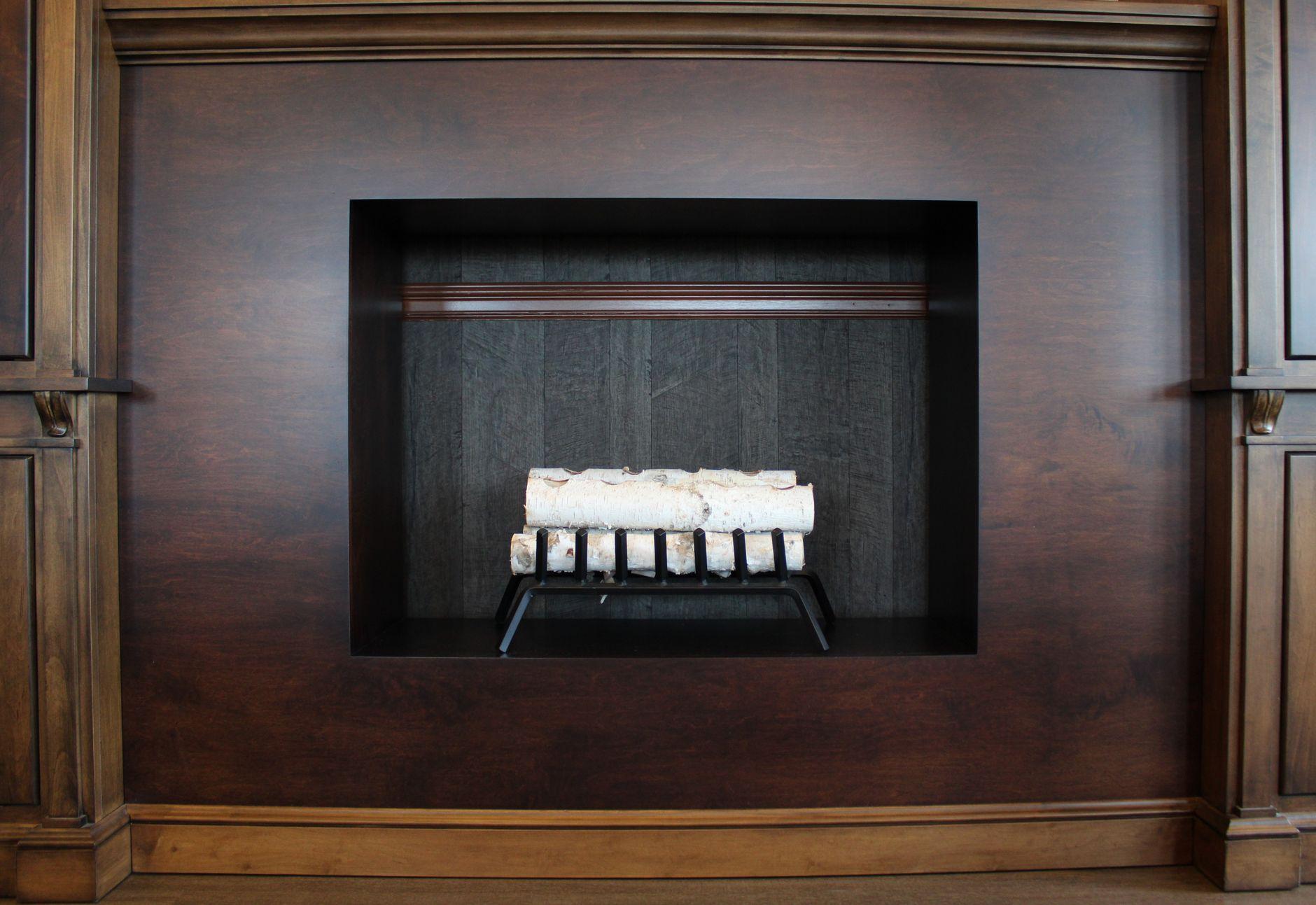
A credit lets the buyer handle the work after closing. It suits larger items where the buyer may want a say in the result, such as a fireplace face they plan to change anyway, or a rebuild above the roofline they would like to match to new roofing.
A credit holds up far better when it rests on a written quote. A buyer told "we will give you some money for the chimney" will guess high. A buyer handed a quote from the company that wrote the report has a number to accept or challenge. Lenders sometimes limit how much a credit can cover, so your agent will want to confirm what the loan allows.
Disclosing and moving on
California sellers already fill out disclosure forms describing what they know about the house. A chimney finding you choose not to repair or credit still goes on those forms once you know about it, and the report and quote can sit right beside it.
Disclosure suits wear items: mortar that is aging but sound, a crown with fine surface cracks, a damper that works but is stiff. Buyers read those as normal for a house of that age, especially when the file explains what they mean.
What each common fix costs with us
Here are the items that come up most in Westminster sale reports, in the order sellers usually ask about them, with our published prices where we have one:
- Water tracking and repair at the chimney: $590 to $3,500
- A small ridge built behind the stack to turn water aside: $470 to $1,060
- That ridge plus every piece of metal flashing renewed: $705 to $1,750
- A gas unit set into a firebox that should no longer burn wood: $2,950 to $5,900
- A camera recheck after repairs, so the file shows them closed: $410
A cap and screen over the flue is quoted after we measure. Crowns, liners, dampers, chase covers, flashing alone and brick work carry no set price. We see each one, then write a quote with the scope and materials.
Once you know which road each item will take, ask us for written quotes on the flagged items and list them as the report names them.
Choosing item by item
Most sellers end up mixing the three. A typical Westminster plan looks like this:
- Repair now: the missing cap and the failed flashing, because both are small, visible and tied to water.
- Credit: the fireplace face, because the buyer may want a different look.
- Disclose: the aging mortar on the lower stack, with a note that it was inspected and found sound.
Your agent knows the local market and what buyers in your price range expect. Bring the report and the quotes to that conversation and the decisions tend to make themselves.
What can wait
Not every item needs an answer before listing. Wear items can be disclosed and left. Cosmetic choices such as a new surround or mantel can go to the buyer. What should not wait are items that let water in or make the fireplace unsafe to light, because those are the ones a buyer's inspector will write up in strong terms.
When the buyer asks for more
Sometimes a buyer's repair request lists items your report never mentioned, or asks for a full rebuild where your file shows wear. Your report is the tool for that conversation. If our photos show sound brick and a working damper, your agent can point to them. If the buyer's inspector saw something we did not, we are glad to go back and look again, because a seller is better served by an accurate file than a defensive one.
Keeping the paper trail clean
Whatever road you take, keep the paperwork together: the original report, each written quote, invoices for any work done and, if you repaired, a recheck showing the item closed. That bundle answers the buyer's questions before they are asked. The home sale report page explains how we send copies to everyone who needs them, and the code repairs page walks through the items a report most often flags.
For the full cost of starting this process, see what a pre-listing inspection costs.
When you are ready
Bring your report and the decisions you are leaning toward to our contact page. We will price the items you want priced and leave the rest alone.
Get Your Own Chimney on Paper
Bannister inspects the chimney before you list and sorts each finding into fix, disclose or leave. Visits start from Westminster and cover Fountain Valley, La Palma, Bellflower and nearby cities.